

“Like Cures Like” – The Foundation of Homoeopathic Healing
🌱 Introduction
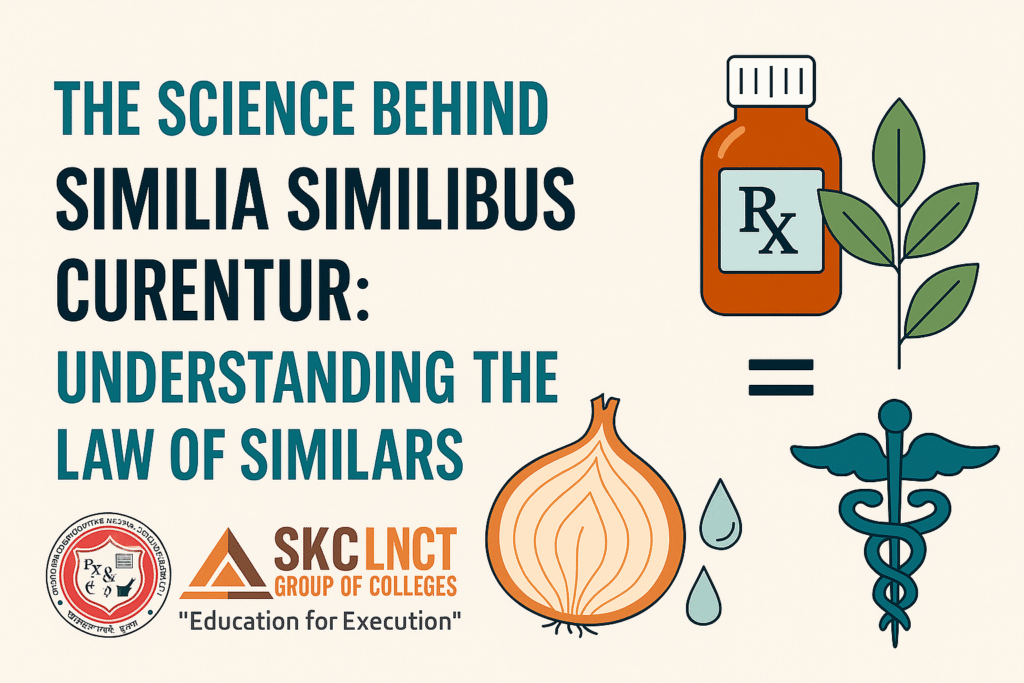
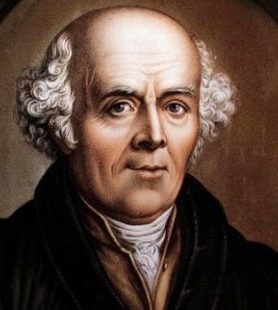
Homoeopathy, founded by Dr. Samuel Hahnemann in the late 18th century, rests on one timeless principle — Similia Similibus Curentur, meaning “Let likes be cured by likes.” This law, often referred to as the Law of Similars, is the cornerstone of homoeopathic medicine. It suggests that a substance capable of producing certain symptoms in a healthy person can, in minute doses, cure those same symptoms in a sick person.
Though simple in words, this principle revolutionized the way medicine viewed health and disease. It shifted focus from merely suppressing symptoms to understanding the individual as a whole — body, mind, and emotions together.

💡 The Concept Explained
Hahnemann observed that medicines act through the symptoms they produce. To truly heal, one must select a remedy that matches the totality of the patient’s symptoms — physical, mental, and emotional.
For example:
A healthy person who takes Cinchona bark (China) experiences symptoms similar to malaria — chills, weakness, and periodic fever. This observation led Hahnemann to try it as a treatment for malaria — and it worked. Thus, the Law of Similars was born.
Homoeopathy does not fight the disease directly; rather, it stimulates the body’s vital force to restore natural balance and health.
🔬 Scientific Viewpoint
While classical medicine aims to eliminate pathogens or block symptoms, homoeopathy believes in stimulating the body’s self-healing mechanism. The potentized (diluted and energized) remedies work at a dynamic level — influencing the body’s energy pattern and immunity.
Modern researchers are now exploring concepts like nanopharmacology and quantum resonance to explain how highly diluted homoeopathic medicines might interact with biological systems. Although debates continue, clinical outcomes and patient responses continue to affirm the principle’s practical truth.
🧠 Clinical Example
Let’s take Allium cepa (Onion) — a simple example of Similia.
When a healthy person cuts an onion, they experience:
- Burning in eyes and nose
- Watery discharge
- Sneezing and irritation
When a patient presents with similar symptoms during allergic rhinitis or a cold, Allium cepa becomes the indicated remedy.
This real-world example illustrates how homoeopathy works on the principle of similarity rather than opposition — not by stopping the discharge but by helping the body restore balance naturally.
🌿 Why It Matters for Students
For a homoeopathy student, understanding the Law of Similars is not just theoretical — it’s the guiding light for clinical success. Every prescription, every repertorization, and every case analysis begins with this law.
It teaches observation, logical thinking, and most importantly, individualization — seeing each patient as unique.
🎯 Conclusion
The Law of Similars is not just a doctrine; it’s a philosophy of healing that honors nature’s wisdom. It reminds us that disease is not an enemy to be fought, but a message to be understood. By applying Similia Similibus Curentur, homoeopathy restores harmony — gently, naturally, and effectively.
🩺 Key Takeaway
“Homoeopathy heals not by suppression, but by stimulation — awakening the body’s own power to cure.”