


“Listen, Observe, Analyze — and Let the Remedy Emerge.”
🌱 Introduction
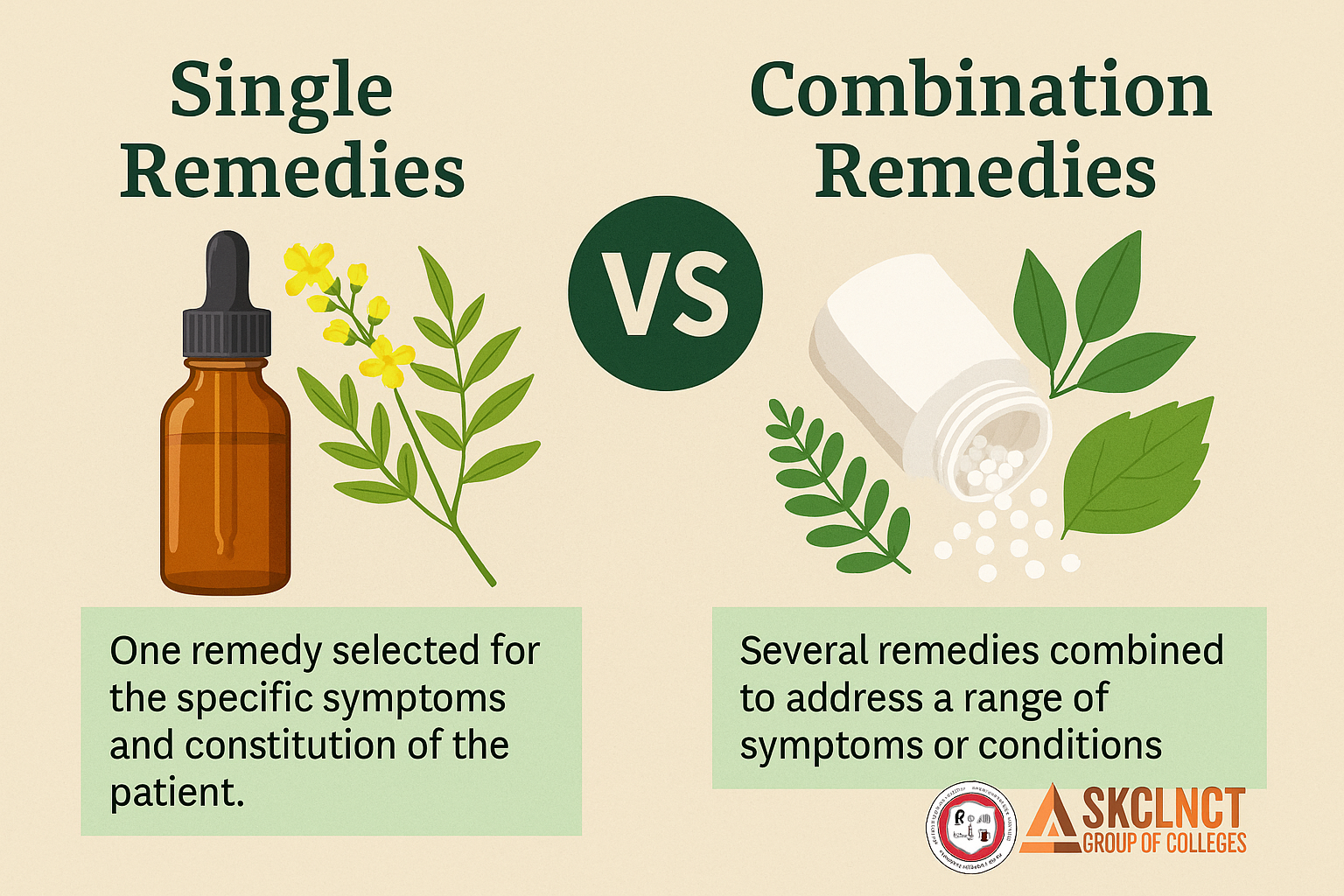
Every successful homoeopathic treatment begins with one essential step — case taking.
Dr. Hahnemann emphasized that “the physician’s highest calling is to restore the sick to health.” To do that, one must first understand the patient, not just the disease.
In homoeopathy, case taking is both a science and an art — it’s about collecting facts with precision while listening with empathy. The journey from case taking to prescription involves observation, interpretation, analysis, and remedy selection, leading to individualized, holistic healing.
💬 Step 1: The Art of Case Taking
Case taking in homoeopathy is not an interrogation — it’s a conversation that reveals the patient’s inner world. The goal is to understand the person’s physical, mental, and emotional state in totality.
A good case record includes:
- Presenting complaints with modalities (better/worse conditions)
- Mental and emotional symptoms
- Personal history (likes, dislikes, fears, dreams, habits)
- Family and medical history
“The remedy lies hidden in the patient’s story.”
By building trust and listening deeply, the physician uncovers the individuality behind the illness.
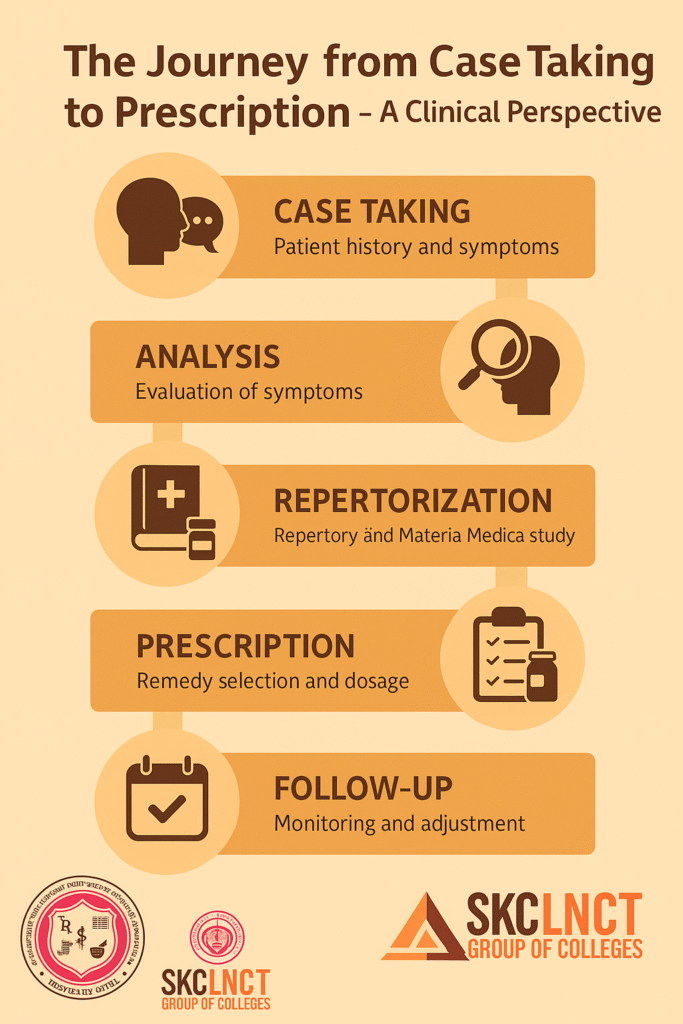
🔬 Step 2: Case Analysis and Evaluation
Once all symptoms are collected, the next step is to analyze which are characteristic — those that define the patient uniquely.
Dr. Kent emphasized focusing on striking, peculiar, and uncommon symptoms.
Example:
Two patients may both have headaches, but one feels better by pressure (Bryonia), while another by tight band (Gelsemium). These subtle details guide the selection of the correct remedy.
Symptoms are categorized as:
- Mental/Emotional Symptoms (most important)
- Physical Generals (appetite, thirst, sleep, temperature)
- Particulars (localized symptoms)
📚 Step 3: Repertorization — Bridging Symptoms to Remedies
Using a repertory, the physician matches the patient’s symptoms to corresponding remedies. This scientific process helps shortlist possible remedies.
Tools like Kent’s Repertory, Boericke’s Repertory, or digital software like RadarOpus make this process accurate and efficient.
“Repertory is the map; Materia Medica is the destination.”
💊 Step 4: Selection of the Similimum
Once repertorization suggests possible remedies, the next step is differentiation using Materia Medica. The similimum (most similar remedy) should match the totality of symptoms — both physical and emotional.
Example:
For insomnia —
- Coffea cruda: sleeplessness from excitement or joy
- Arsenicum album: sleeplessness from anxiety and restlessness
- Ignatia amara: sleeplessness after grief
The physician selects the one that best fits the individual expression of illness.
⚕️ Step 5: Administration and Follow-Up
After prescribing, careful observation is crucial.
The physician must monitor:
- Aggravation or amelioration of symptoms
- Return of old symptoms (a positive healing sign)
- Changes in energy and mood
Follow-ups help determine whether to repeat, change, or stop the remedy. Patience and observation are the keys to successful outcomes.
🌿 Clinical Wisdom for Students
- Always listen more, talk less — let the patient guide the case.
- Focus on peculiar, characteristic symptoms, not common ones.
- Don’t hurry to prescribe — the right remedy is revealed through reflection.
- Keep detailed case records for learning and future reference.
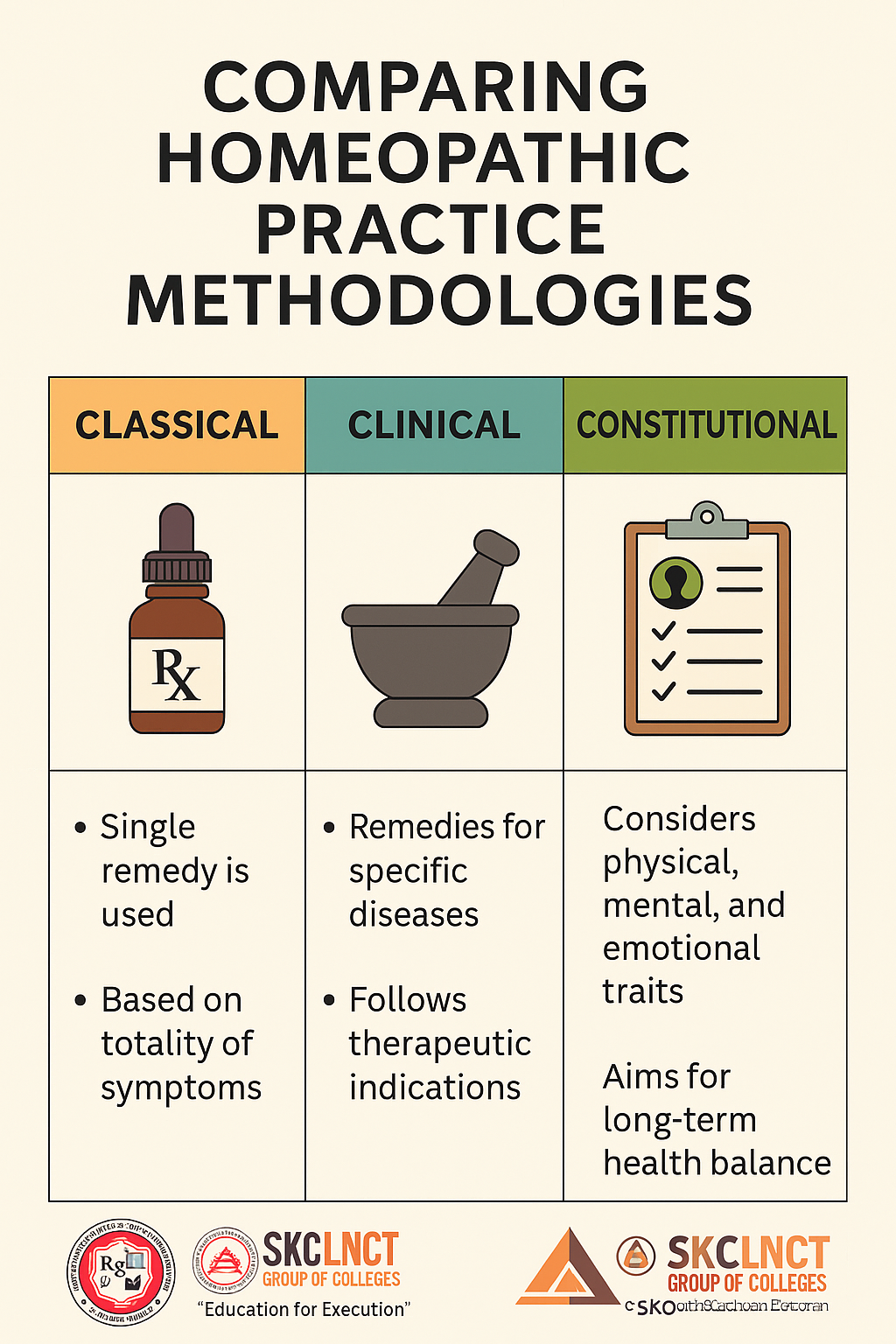
🎯 Conclusion
The journey from case taking to prescription reflects the essence of homoeopathy — treating the person, not the disease.
When done with sincerity, patience, and clarity, it transforms both the healer and the healed.
“A homoeopath is not a symptom collector — but a truth seeker who reads the story written in symptoms.”
🩺 Key Takeaway
Observation, analysis, and empathy are the three pillars of successful case taking — mastering these makes you not just a better student, but a true healer.